3 Reasons Your Dental Crown May Hurt
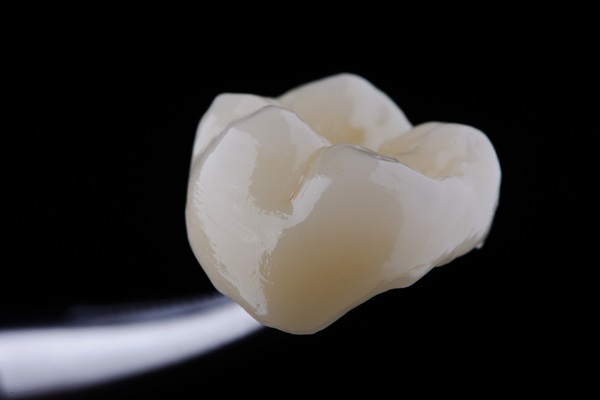
A dental crown is meant to protect a weak or damaged tooth, so it can feel frustrating if it starts to hurt. Minor sensitivity can be expected as the tooth adjusts to a new crown. However, pain that lasts, gets worse, or starts months later may mean something needs attention.
3 reasons why a dental crown may hurt
Here are three of the most common causes of dental crown-related pain:
1. Decay where the crown meets the tooth
A dental crown covers the visible part of a tooth, but the natural tooth underneath still needs care. Without it, decay can form near the margin, the area where the crown meets the tooth. This can happen when plaque collects around the gumline or when the crown no longer has a tight seal. The crown itself cannot form a cavity, but the tooth beneath it can.
Common signs that decay is the underlying cause of the patient’s pain include:
- Sensitivity near the gumline
- A bad taste in the mouth
- Soreness while brushing or flossing
- Discomfort when chewing sweets
- Increased sensitivity to cold foods
Note that a problematic crown may look normal, even though decay is forming near it. The dentist can check the crown margins and look for early signs of trouble. The recommended treatment depends on the extent of decay. The dentist can repair a small area. However, a larger cavity may require the crown to be replaced.
2. A crown that is uneven or too high
A dental crown may hurt if the bite is uneven. Even a tiny, unnoticeable high spot can make the crowned tooth hit before the other teeth. When this happens, the tooth is under increased pressure whenever the patient chews, clenches, or closes the mouth. This pressure can make the tooth feel sore or bruised.
Some patients may notice that a crown is too tall or that their teeth do not come together normally. These symptoms should be checked because a high bite can be easily adjusted. During a short visit, a dentist may use marking paper to see where the teeth touch, then gently smooth the crown to improve the bite balance.
3. Problems inside the tooth
Sometimes, pain around a dental crown comes from the nerve inside the tooth. After all, the tooth may have originally needed the crown to address a large cavity, crack, broken filling, or other damage. In these cases, the nerve may already be irritated before the crown is placed. Preparing the tooth for crown placement can also cause temporary sensitivity.
However, if irritation continues, a dentist can test the tooth to see how the nerve responds. If the irritation persists, the dentist may recommend watching the tooth or adjusting the bite. If the nerve is infected or irreparably damaged, the patient may need root canal treatment.
Need help with crown pain?
A dental crown is meant to protect a tooth, not hurt it. When pain or discomfort occurs, a dentist can address the root cause to restore comfort. If your crown is hurting, contact Great Smiles of Hicksville for help.
Request an appointment here: https://www.greatsmilesofhicksville.com or call Great Smiles of Hicksville at (516) 806-5067 for an appointment in our Hicksville office.
Check out what others are saying about our services on Yelp: Dental Crown in Hicksville, NY.
Related Posts
Dental fillings protect teeth affected by cavities or minor damage, but they do not last forever. Over time, normal chewing forces, temperature changes, and everyday wear can affect even well-placed restorations. Visiting a general dentist can help identify the early signs of a failing filling, allowing treatment before a small problem develops into a larger…
Deep teeth cleaning is a specialized dental procedure that removes plaque and tartar buildup beneath the gumline. It is recommended for patients with early to moderate periodontal disease or those at risk of developing gum infections. Unlike routine cleanings, deep teeth cleanings target bacteria that contribute to gum disease and bone loss. Recognizing the signs…
When it comes to enhancing the smile or addressing dental issues, dental crowns and veneers are popular options that offer great results. Both serve different purposes and have unique advantages. It helps to understand the distinctions between the two so you can decide which option is best suited for your specific needs.Dental crowns and veneers…
Dental implants can transform a smile by offering a stable, long-term way to replace missing teeth without sacrificing appearance or function. If you have been searching for a natural and reliable solution, it may be time to speak with a general dentist about implant therapy. A dentist can verify whether you are an ideal candidate…