What are TMJ Symptoms?
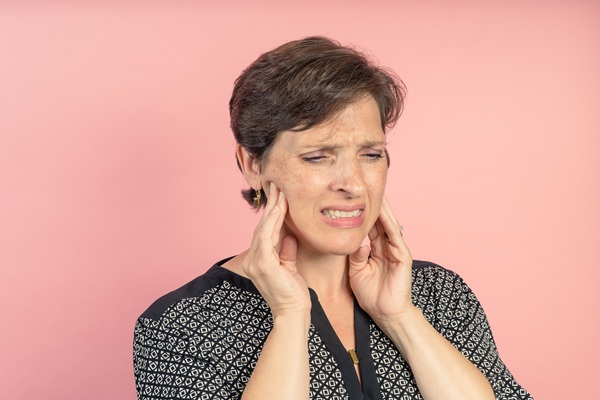
TMJ disorder occurs when the temporomandibular joint is injured or overworked. The joint is responsible for connecting the skull and the jawbone, and it plays an important role in the jaw movement. When TMJ disorder develops, symptoms develop and can worsen without appropriate treatment.
A detailed review of TMJ symptoms
There are many different symptoms of TMJ disorder, but some TMJ symptoms are more common than others. Four of the more commonly reported symptoms of TMJ include jaw pain and soreness, stiff or locked jaw, chronic ear pain and a clicking sound in the jaw.
Jaw pain and soreness
Jaw pain is perhaps the most common symptom of TMJ disorder. This is because the TMJ plays a direct role in the function of the jaw. When the joint becomes injured, then the jaw has a harder time functioning properly, which can lead to pain. Jaw soreness is also common, especially if the cause of TMJ disorder is teeth grinding. This is because the jaw becomes worn-down and overworked, leading to the jaw feeling weak and sore.
Stiff or locked jaw
Stiff or locked jaw occurs when the temporomandibular joints become locked. This can also lead to other symptoms as well, such as difficulty chewing. The severity of this symptom varies. Minor stiffness is not a huge concern, but a locked jaw that is difficult or impossible to open requires prompt attention from a dentist. There are several ways a dentist can treat this symptom. They may seek to relieve inflammation and soreness through anti-inflammatory medication, along with ensuring the jaw is protected by wearing a mouthguard at night.
Chronic ear pain
TMJ disorder affects more than just the jaw. The pain can also spread to the ear and other parts of the face as well. When this occurs, it is a sign that the TMJ disorder is more serious and requires diagnosis and treatment from a dentist. More severe instances may also affect the person’s ability to hear, and there may also be a popping sound in the ear and pain in the temple area.
Clicking sound in the jaw
The dentist will likely check to see if there is a clicking sound in the jaw when diagnosing patients who show other symptoms of TMJ disorder. A jaw may produce a clicking sound while opening and closing due to injury or soreness of the temporomandibular joint. Although this symptom is not overly severe, it does often suggest a trip to the dentist for diagnosis and treatment is necessary as it is a sign of a larger concern. Without prompt treatment, TMJ disorder can grow worse and make the treatment more invasive and expensive.
Receive a TMJ diagnosis from an experienced dentist
If you have symptoms of TMJ disorder and want to arrange a consultation visit with an experienced dentist, then reach out to our friendly dental team today. We are glad to help you with an accurate diagnosis of your symptoms as well as explaining all available treatment options so that you can make an informed decision.
Request an appointment here: https://www.greatsmilesofhicksville.com or call Great Smiles of Hicksville at (516) 806-5067 for an appointment in our Hicksville office.
Check out what others are saying about our dental services on Yelp: TMJ Dentist in Hicksville, NY.
Related Posts
Dental fillings protect teeth affected by cavities or minor damage, but they do not last forever. Over time, normal chewing forces, temperature changes, and everyday wear can affect even well-placed restorations. Visiting a general dentist can help identify the early signs of a failing filling, allowing treatment before a small problem develops into a larger…
A dental crown is meant to protect a weak or damaged tooth, so it can feel frustrating if it starts to hurt. Minor sensitivity can be expected as the tooth adjusts to a new crown. However, pain that lasts, gets worse, or starts months later may mean something needs attention.Here are three of the most…
Deep teeth cleaning is a specialized dental procedure that removes plaque and tartar buildup beneath the gumline. It is recommended for patients with early to moderate periodontal disease or those at risk of developing gum infections. Unlike routine cleanings, deep teeth cleanings target bacteria that contribute to gum disease and bone loss. Recognizing the signs…
When it comes to enhancing the smile or addressing dental issues, dental crowns and veneers are popular options that offer great results. Both serve different purposes and have unique advantages. It helps to understand the distinctions between the two so you can decide which option is best suited for your specific needs.Dental crowns and veneers…