5 Common Misunderstandings About Traditional Dentures
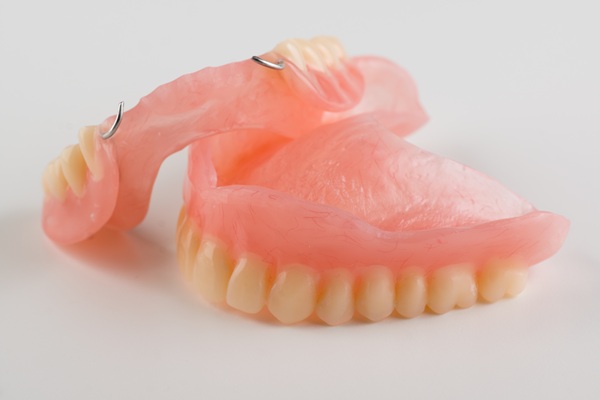
Dentures are a widely used solution for individuals who have lost multiple teeth. However, despite their long history and proven effectiveness, several misunderstandings about dentures persist. These misconceptions can lead to unnecessary hesitation or to people not pursuing the care they need, affecting their oral health and comfort. Clarifying these misunderstandings can help those considering or currently wearing traditional dentures.
1. Dentures restore natural function completely
A common belief is that dentures fully restore the natural function of teeth. While dentures will improve a person's ability to chew and speak, they do not completely replicate the strength and sensation of natural teeth. Some foods may remain difficult to eat. Dentures also require occasional minor adjustments to maintain comfort. Understanding this limitation can prevent unrealistic expectations and improve long-term satisfaction with dentures.
2. Dentures do not require regular dental visits
Another misconception is that dentures eliminate the need for regular, professional dental care. Even with replacement teeth, regular checkups allow dentists to monitor the patient's oral health and ensure their dentures fit properly. These visits can also prevent issues such as gum irritation, infections, or bone loss. The dental provider can make adjustments and guide the patient in maintaining oral hygiene to prolong the lifespan of dentures.
3. Dentures are uncomfortable by nature
Many assume that dentures will be uncomfortable. However, modern dentures have an improved design with materials that allow the dentures to fit more comfortably. While there is an adjustment period that may cause some soreness or pressure, proper fitting and follow-up adjustments can minimize discomfort. Additionally, regular care and maintenance ensure that the dentures feel secure and natural in the patient's mouth.
4. Dentures do not require special cleaning
Some individuals believe that dentures only need simple rinsing and require no specialized care. In reality, they have to clean their dentures every day with appropriate solutions and brushes to remove plaque, food particles, and bacteria properly. Neglecting proper cleaning can lead to bad breath, staining, and oral infections. It also helps to soak dentures overnight in a cleansing solution to help patients maintain their oral hygiene and the prosthesis's long-term durability.
5. Dentures can last a lifetime
Another common misunderstanding is that dentures are permanent and never need replacement. Over time, changes in the patient's jawbone and soft tissues can affect the fit of the dentures. Ill-fitting dentures may cause discomfort, difficulty eating, or sore spots. Periodic evaluation and possible relining or replacement are necessary to ensure continued comfort and oral health. By recognizing the need for adjustments, patients can prolong the long-term usability of their dentures.
Do you have questions about dentures?
Dentures are a traditional tooth-replacement option that can significantly improve your quality of life. However, it is important to know their limitations and the amount of care and maintenance required. Do you have questions or concerns about your new dentures? Call our Hicksville office to speak to our team or to schedule an appointment.
Request an appointment here: https://www.greatsmilesofhicksville.com or call Great Smiles of Hicksville at (516) 806-5067 for an appointment in our Hicksville office.
Check out what others are saying about our dental services on Yelp: Dentures and Partial Dentures in Hicksville, NY.
Related Posts
Dental fillings protect teeth affected by cavities or minor damage, but they do not last forever. Over time, normal chewing forces, temperature changes, and everyday wear can affect even well-placed restorations. Visiting a general dentist can help identify the early signs of a failing filling, allowing treatment before a small problem develops into a larger…
A dental crown is meant to protect a weak or damaged tooth, so it can feel frustrating if it starts to hurt. Minor sensitivity can be expected as the tooth adjusts to a new crown. However, pain that lasts, gets worse, or starts months later may mean something needs attention.Here are three of the most…
Deep teeth cleaning is a specialized dental procedure that removes plaque and tartar buildup beneath the gumline. It is recommended for patients with early to moderate periodontal disease or those at risk of developing gum infections. Unlike routine cleanings, deep teeth cleanings target bacteria that contribute to gum disease and bone loss. Recognizing the signs…
When it comes to enhancing the smile or addressing dental issues, dental crowns and veneers are popular options that offer great results. Both serve different purposes and have unique advantages. It helps to understand the distinctions between the two so you can decide which option is best suited for your specific needs.Dental crowns and veneers…